
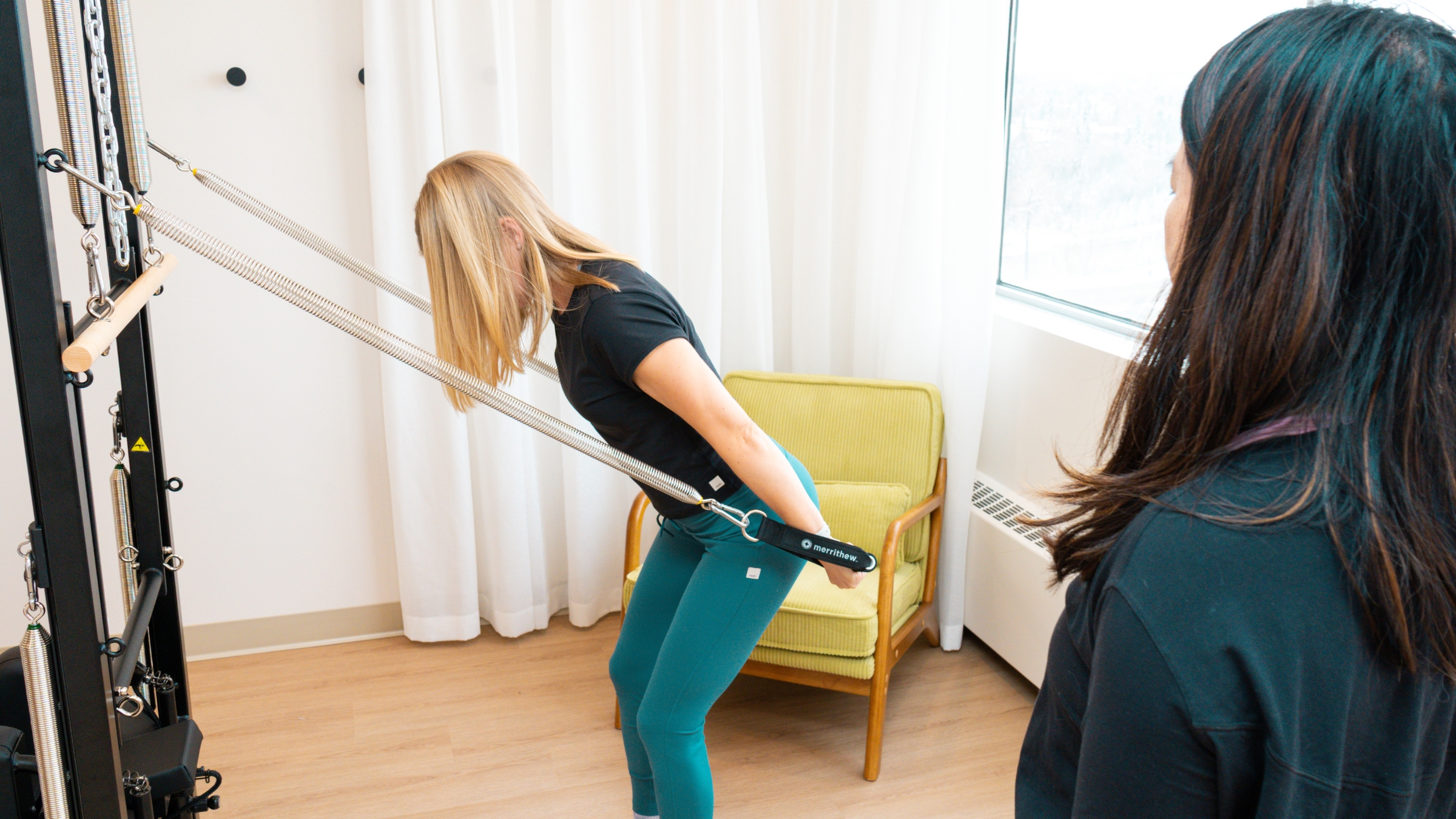
Is that ache in your pelvis part of healing, or is it something you should mention to someone? It can be hard to tell, especially when everyone around you says it’s just part of having a baby. Pelvic pain after pregnancy is common, and plenty of it settles on its own, but some of it deserves a closer look. This guide walks you through which symptoms are usually part of normal healing, which red flags need medical care right away, and how to ask for support without feeling like you’re overreacting.
Why Pelvic Pain After Pregnancy Happens
Pregnancy and birth ask a lot of your body. Your pelvic floor muscles stretch and work harder to support your growing baby. Hormones loosen the ligaments around your pelvis. Then birth adds more stretch, and sometimes tearing, stitches, or a C-Section incision. All of that tissue needs time to heal, and you’re doing that healing on broken sleep while feeding a newborn around the clock.
What’s Often Normal and What’s Worth Raising
Your pain can come from a few different places, so it helpful to take a closer look at different variables. Please note: This table is a general guide, not a diagnosis!
| Source | Often normal | Worth raising with your care provider |
|---|---|---|
| Vaginal birth, tears, or stitches | Soreness, swelling, stinging when you pee, and itching as your stitches heal, getting a little better each week | Pain that’s getting worse, a bulge or heaviness, or pain that isn’t improving after several weeks |
| C-section | Tenderness and pulling at your incision, and numb or tingly skin near the scar | Pain, redness, or swelling around your incision that’s growing, or pain that isn’t easing as the weeks pass |
| Pelvic girdle (pubic bone, hips, tailbone, or back of the pelvis) | Aching or stiffness that eases over the first few weeks, especially when you roll over in bed or climb stairs | Pain that stays the same or gets worse, or that limits your walking, lifting your baby, or sleep |
| Pelvic floor | Feeling tired or a little heavy by the end of the day, and some leaking when you cough or sneeze in the early weeks | A bulge or dragging feeling, leaking that isn’t improving, or trouble emptying your bladder or bowel |
| Sex and intimacy | Dryness or tenderness at first, especially if you’re breastfeeding or chestfeeding | Pain that continues, burning, or pain that makes you avoid sex |
A Timeline to Keep in Mind
Your healing won’t follow a perfect schedule, but this gives you a rough idea of what to expect.
| Time after birth | What to expect | What to do |
|---|---|---|
| First 6 weeks | The most soreness, bleeding that slowly lightens, and tender stitches or incision | Rest when you can, ask for help, and call your provider about anything on the red flag list below |
| 6 to 12 weeks | Pain that is clearly easing, with more good days than bad | Bring up any pain that is not improving at your postpartum visit |
| 3 to 12 months | Most pain should be settled | Book an assessment for pain that lingers, returns, or gets in the way of life |
When Pain Lasts Longer Than Expected
You might have heard that pain after birth is just part of having a baby. We don’t buy that, and the research backs us up.
A 2023 systematic review looked at pelvic girdle pain that was still there 3 to 6 months after birth. If you had higher pain levels, a history of low back or pelvic pain, more disability, or a strong fear of movement during pregnancy, your pain was more likely to stick around.
Pain with sex is another problem that often gets missed. In a 2025 Swiss study of 3,264 first-time vaginal births, about 15% of participants still had pain with sex a year later. If you had a first- or second-degree tear, your odds were about three times higher than with no tear. If you had a deeper tear involving the anal sphincter, your odds were about two and a half times higher. The authors suggest this pain often goes unaddressed after the standard 6 to 12 week check-up. If this sounds like you, you’re not imagining it, and you don’t have to wait for someone to ask.
Red Flags: Get Medical Care Right Away
Some symptoms aren’t part of normal healing. The CDC lists these urgent warning signs, and several can show up in the weeks after you give birth:
- fever of 38°C (100.4°F) or higher
- heavy vaginal bleeding, or discharge that smells bad
- severe belly pain that doesn’t go away
- swelling, redness, or pain in one leg
- chest pain, a fast heartbeat, or trouble breathing
- a severe headache that won’t go away, or changes in your vision
- dizziness or fainting
- overwhelming tiredness
- thoughts of harming yourself or your baby
We’d also add pus, a foul smell, or an opening along your stitches or C-section incision, and not being able to pee.
Call 911 or go to your nearest emergency department for chest pain, trouble breathing, heavy bleeding, or thoughts of harming yourself or your baby. You can also call or text 988, the Suicide Crisis Helpline, any time. For other concerns, call your midwife, doctor, or Health Link at 811. If something feels wrong and it isn’t on this list, trust that feeling and call anyway.
How to Ask for Support
Asking for help can feel awkward, especially when you’re running on very little sleep. These steps can make it easier:
- Write down your symptoms, including when they started, what makes them better or worse, and how they affect your day.
- Tell your provider how long ago you gave birth, how you delivered, and whether you’re breastfeeding or chestfeeding.
- Say plainly what bothers you most, even if it feels embarrassing. Your provider has heard about leaking, pain with sex, and pain when walking many times before.
- Ask whether a pelvic floor physiotherapy assessment makes sense for you.
- Book a follow-up if your pain isn’t improving, rather than waiting for your next scheduled visit.
How Pelvic Floor Physiotherapy Can Help
Your first pelvic floor physiotherapy appointment starts with a private, one-on-one conversation. We’ll ask about your birth, your symptoms, and your goals, and we’ll look at how your pelvic floor, core, hips, and breathing work together. An internal exam is optional, only happens with your consent, and you can change your mind at any point. Depending on what we find, your care may include:
- gentle strengthening, or relaxation work if your muscles are holding too much tension
- breathing and posture strategies
- manual therapy to ease sore, tense areas, and gentle care for your C-section scar once it has healed
- advice on moving, lifting, and carrying your baby
- a gradual return to walking, exercise, and the activities you love
This kind of care can help with pelvic girdle pain, pain with sex, leaking, and heaviness. It works alongside your doctor or midwife, not in place of them.
Take the Next Step
At Coven Health Collective in Calgary, we offer postpartum assessments, pelvic floor physiotherapy, manual therapy, and exercise rehab to help you recover after birth. We’ll listen, figure out what’s going on, and build a plan that fits your recovery and your life with a baby. If something needs medical attention, we’ll tell you and work with your provider. Reach out to book an assessment whenever you’re ready.
References
Burani, E., Marruganti, S., Giglioni, G., Bonetti, F., Ceron, D., & Cozzi Lepri, A. (2023). Predictive factors for pregnancy-related persistent pelvic girdle pain (PPGP): A systematic review. Medicina, 59(12), Article 2123. https://www.mdpi.com/1648-9144/59/12/2123
Centers for Disease Control and Prevention. (n.d.). Urgent maternal warning signs. Hear Her. https://www.cdc.gov/hearher/docs/pdf/CDC-Hear-Her-Womens-urgent-warning-signs-h.pdf
Zachariah, R. R., Forst, S., Hodel, N., & Geissbuehler, V. (2025). Exploring the link between vaginal delivery and postpartum dyspareunia: An observational study. Reproductive Medicine, 6(4), Article 33. https://www.mdpi.com/2673-3897/6/4/33