
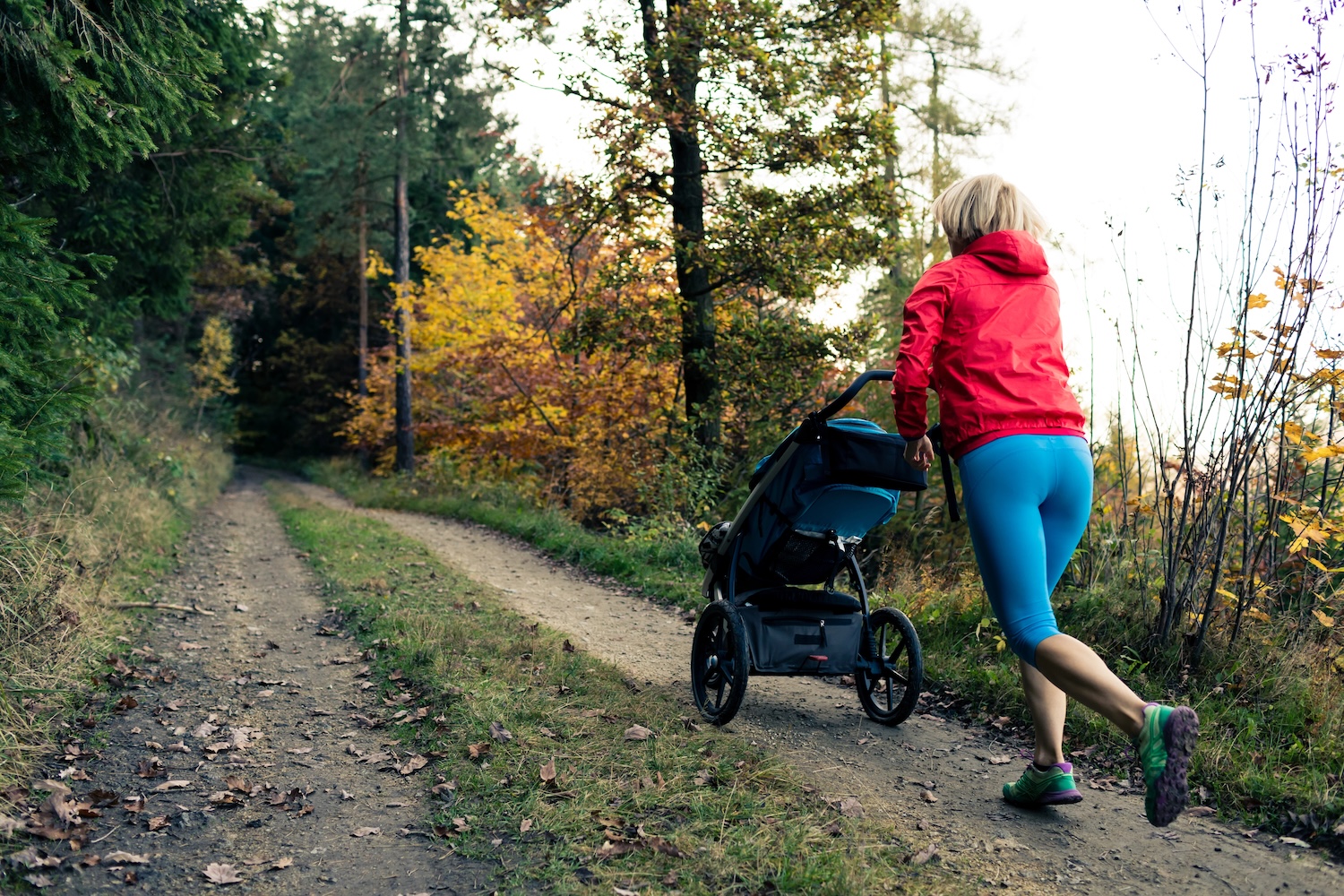
Many active women are surprised when symptoms like bladder leakage, pelvic pressure, or core weakness begin to interfere with exercise. Whether you’re running, lifting weights, participating in fitness classes, or playing recreational sports, these issues can be frustrating and sometimes difficult to talk about.
Many women have been told, either directly or indirectly, that bladder leakage, pelvic pressure, or discomfort during exercise are simply an expected part of being a woman or getting older. While these symptoms are common, they aren’t something you have to live with. In many cases, they can be improved with the right assessment and treatment.
At Coven Health Collective in Calgary, pelvic floor physiotherapy helps active women understand what’s contributing to their symptoms and develop a personalized treatment plan that supports both long-term pelvic health and the activities they enjoy.
Understanding the Pelvic Floor
The pelvic floor is a group of muscles and connective tissues located at the base of the pelvis. These muscles help support the bladder, bowel, and reproductive organs while also contributing to:
- Continence
- Core stability
- Breathing mechanics
- Movement control
For the pelvic floor to function well, it needs to be able to contract, relax, and coordinate with the rest of the body. It also needs to adapt to the changing demands of movement and exercise.
Symptoms can develop when the pelvic floor isn’t functioning efficiently. In some cases, the muscles may be weak. In others, they may be overly tense, fatigued, or not coordinating well with the rest of the core. That’s why treatment isn’t always about strengthening. It starts with understanding what’s contributing to your symptoms.
Why Active Women Experience Pelvic Floor Symptoms
Running, jumping, lifting, and high-impact exercise all increase pressure inside the abdomen. Ideally, your breathing muscles, abdominal wall, and pelvic floor work together to manage those forces.
When that system isn’t working efficiently, symptoms like bladder leakage, pelvic pressure, or pain can develop during or after exercise.
This doesn’t mean exercise is harmful or that you need to stop being active. More often, it’s a sign that your body could benefit from a more individualized approach to movement, pressure management, and pelvic floor rehabilitation.
Common Symptoms During Exercise
Bladder Leakage
One of the most common reasons active women seek pelvic floor physiotherapy is urine leakage during exercise.
Leaking while running, jumping, lifting weights, or doing high-impact workouts is common, but it isn’t something you simply have to live with. It’s often a sign that your pelvic floor isn’t managing pressure as efficiently as it could.
Pelvic Pressure and Heaviness
Another common symptom is a feeling of heaviness, pressure, or dragging within the pelvis. This sensation may become more noticeable during long runs, intense workouts, or after spending a physically demanding day on your feet. Some women describe it as feeling like something is sitting “lower than usual”, “dropping”, or that they’re craving additional support through their pelvic region.
Core Instability and Discomfort
The pelvic floor works closely with the diaphragm, deep abdominal muscles, and muscles around the hips and spine.
When one part of that system isn’t functioning well, it can contribute to feelings of instability, persistent low back pain, hip pain, or difficulty generating force during exercise.
Urinary Urgency
Feeling like you constantly need to use the bathroom before a workout, rushing to the washroom “just in case,” or struggling to fully empty your bladder can also be signs of pelvic floor dysfunction.
These symptoms aren’t always caused by weakness. In many cases, an overactive or tense pelvic floor plays a significant role.
When Symptoms Should Be Assessed
Many women continue exercising despite symptoms of pelvic floor dysfunction because they believe discomfort is simply part of training. While sore muscles after a challenging workout are expected, bladder leakage, pelvic pressure, ongoing pelvic pain, or persistent urgency are not.
If your symptoms are changing how you exercise, affecting your confidence, or making you avoid activities you enjoy, it’s worth having them assessed. Early treatment can often make recovery easier and help prevent symptoms from becoming more persistent.
How Pelvic Floor Physiotherapy Can Help
Pelvic floor physiotherapy focuses on identifying the underlying cause of symptoms rather than simply treating the symptoms themselves.
A comprehensive assessment may evaluate overall pelvic floor muscle function, breathing patterns, core coordination, movement mechanics, and exercise habits. This information helps create a treatment plan that is specific to your body and the activities you enjoy.
Treatment pathways often include:
- Pelvic floor retraining
- Breathing and pressure management strategies
- Core rehabilitation
- Mobility work
- Progressive strengthening exercises
For athletes and active individuals, rehabilitation can also include sport-specific modifications that allow you to continue training while symptoms improve.
Many women are surprised to learn that successful treatment isn’t always about doing more Kegels. Sometimes the biggest improvements come from helping the pelvic floor relax, move more efficiently, and work in better coordination with the rest of the body.
Can You Continue Exercising?
In most cases, yes.
Our goal isn’t to tell you to stop doing the activities you love. It’s to help you understand what’s contributing to your symptoms so you can move with more confidence and less discomfort.
Sometimes that means making temporary modifications while your body adapts. Many women are able to return to running, strength training, CrossFit, recreational sports, and other high-impact activities with significantly fewer symptoms after appropriate rehabilitation.
Supporting Pelvic Health During Exercise
Sometimes small changes can make a meaningful difference.
Learning to coordinate your breathing during heavier lifts, improving pressure management, progressing training gradually, and recognizing early symptoms can all help reduce stress on the pelvic floor.
Most importantly, leakage, pressure, pain, or instability aren’t things you simply need to push through. They’re your body’s way of telling you something deserves attention.
The Bottom Line
Pelvic floor symptoms can affect active women at every age and fitness level, from recreational exercisers to competitive athletes.
With the right assessment and treatment plan, many women are able to return to exercise with greater comfort, confidence, and control.
At Coven Health Collective in Calgary, our pelvic health physiotherapists help active women understand what’s driving their symptoms and build a treatment plan that supports both pelvic health and the activities that matter most to them.
Ready to Get Back to Exercise With Confidence?
If bladder leakage, pelvic pressure, pelvic pain, or other pelvic floor symptoms are affecting your workouts or everyday life, we’re here to help.
A pelvic floor physiotherapy assessment can identify the underlying cause of your symptoms and create a personalized plan that helps you move with confidence, whether your goal is lifting heavier, running farther, or simply feeling comfortable in your body again.