
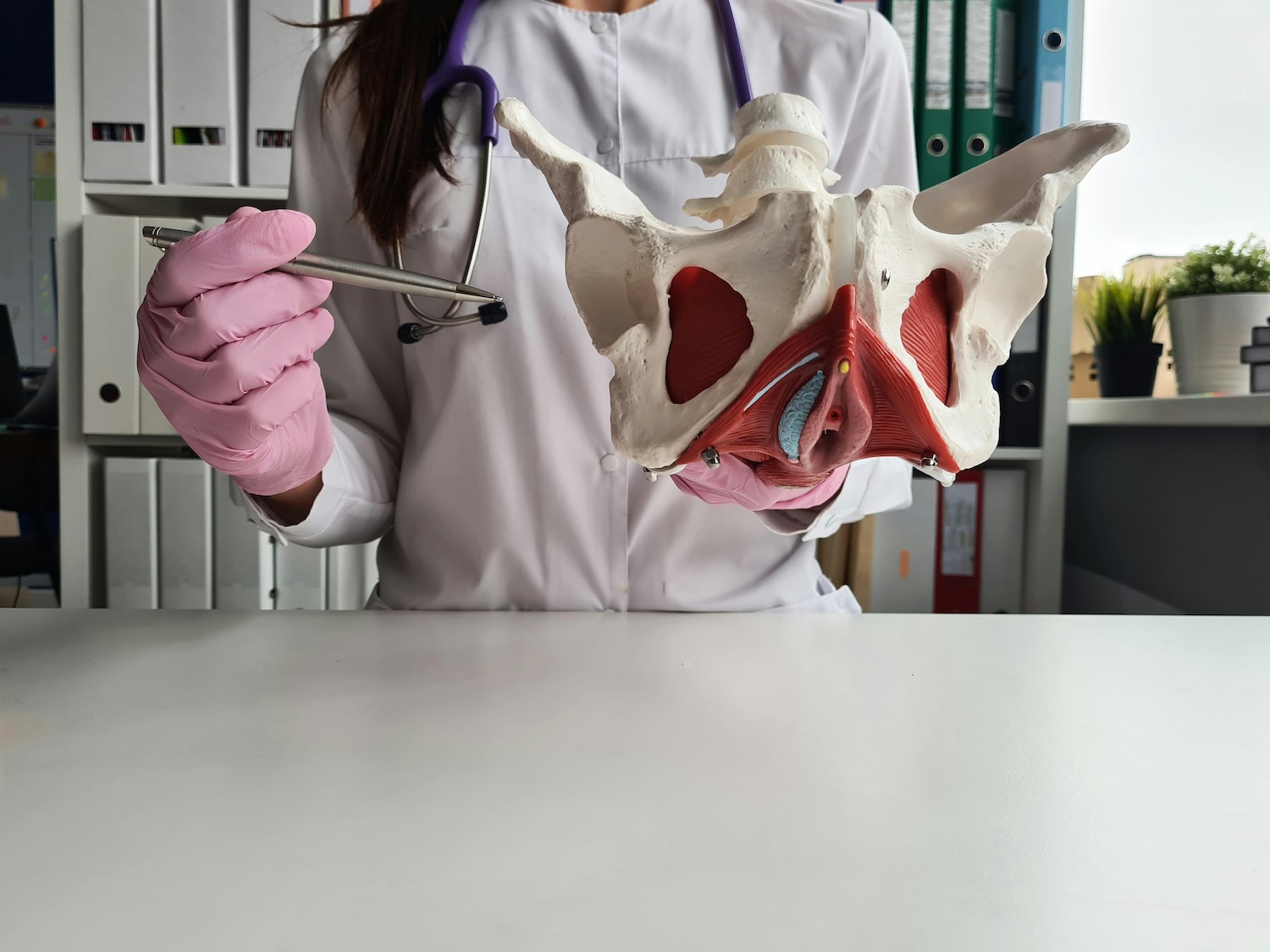
Pelvic pain during pregnancy is very common. Many pregnant people experience discomfort in the hips, pelvis, or lower back as their bodies adapt to support growing another human. Because these changes are expected, it is easy to assume that pelvic pain is simply something that must be tolerated. In reality, persistent pelvic pain is incredibly manageable with the right support!
Many women or pregnant people notice significant improvement once the underlying causes of their discomfort are addressed. Studies indicate that roughly 80 percent of people experience low back or pelvic pain during their pregnancy, which often affects daily routines and mobility.
At Coven Health Collective in Calgary, prenatal physiotherapy focuses on helping you move comfortably, remain active, and prepare your body for childbirth. Understanding why this pain occurs and knowing when to seek professional guidance can make your pregnancy far more manageable.
RELATED READING: What Is Pelvic Floor Physiotherapy and Who Needs It?
Why Pelvic Pain Happens During Pregnancy
Pregnancy involves significant physical and hormonal changes essential for supporting fetal growth, but these changes can also affect how the pelvis and surrounding structures function.
Hormonal Changes and Ligament Laxity
Pregnancy hormones like relaxin increase ligament flexibility throughout the body to help the pelvis expand. However, looser ligaments can reduce stability in the pelvic joints. This means your muscles must work twice as hard to stabilize the pelvis, leading to fatigue, tension, and that familiar aching sensation.
Shifting Center of Gravity
As the uterus grows, your center of gravity shifts forward. Many individuals compensate by leaning backward slightly or tilting the pelvis forward. This increases the load placed on the sacroiliac (SI) joints at the back of the pelvis and the pubic symphysis at the front.
The Pelvic Floor Under Pressure
The pelvic floor muscles act like a hammock supporting the weight of the growing baby. As this weight increases, the coordination between your core and pelvic floor can shift. If these muscles are not functioning optimally, the pelvis may feel less supported during movement.
Common Symptoms of Pelvic Girdle Pain (PGP)
Pelvic pain can present in several ways, often referred to as Pelvic Girdle Pain (PGP) or Symphysis Pubis Dysfunction (SPD). Common symptoms include:
- Pain at the front of the pelvis near the pubic bone.
- Aching or “deep” pressure in the hips or buttocks.
- Pain when walking, climbing stairs, or standing on one leg.
- Difficulty rolling over in bed or getting out of a car.
- Clicking or grinding sensations in the pelvic joints.
When Should You Seek Help?
Some mild soreness is normal, but persistent pain should not be ignored. Consider seeking professional guidance at Coven Health Collective if you notice:
- Pain that makes you limp or change how you walk.
- Sharp, “lightning-like” pain around the pubic bone.
- Discomfort that makes it difficult to sleep or turn in bed.
- Increasing pain that limits your ability to care for older children or perform work tasks.
Early assessment identifies the specific structures contributing to your pain and prevents symptoms from worsening as the baby gets heavier.
How Pelvic Floor Physiotherapy Supports Your Pregnancy
Pelvic floor physiotherapy focuses on improving stability and movement efficiency. At Coven Health Collective, our goal is to help your body function more comfortably throughout your pregnancy.
Treatment approaches often include:
- Pelvic Floor Coordination: Learning how to both engage and relax the pelvic floor muscles.
- Core Stability: Tailored exercises that protect the abdominal wall and support the pelvis.
- Manual Therapy: Gentle techniques to improve joint mobility and reduce muscle guarding.
- Body Mechanics: Teaching you how to move in ways that minimize joint shearing.
Home Exercise Program
A high quality home exercise program can be tailored to your specific needs, triggers, and lifestyle. At Coven Health Collective, we focus on functional stability with these foundational movements:
Diaphragmatic Breathing with Pelvic Floor Release
Sit comfortably or lie on your side. Place one hand on your ribcage. Inhale deeply through your nose, feeling your ribs expand sideways and your pelvic floor gently drop or soften toward the chair. Exhale slowly through pursed lips.
Modified Bird-Dog
Start on your hands and knees. Instead of lifting a full leg, which can cause shearing at the pelvis, simply slide your opposite big toe along the floor while reaching the opposite arm forward. Keep your belly gently lifted toward your spine as you exhale.
Seated Adductor Squeeze
While sitting in a chair with feet flat on the floor, place a soft ball or a rolled up towel between your knees. Gently squeeze the ball for 5 seconds while exhaling, then slowly release.
Wall – Supported Glute Bridge
Lie on your side and roll onto your back briefly with your feet flat against a wall, knees at 90 degrees. Push your heels into the wall to lift your hips just 2 to 3 inches off the floor. Focus on the squeeze in your glutes rather than the height of the lift.
Comfort Tools: Managing Daily Flare-Ups
It is important to remember that your body is strong and capable of handling various movements. However, if you are currently in a period where your pelvis feels highly sensitive or flared up, you can use these temporary strategies to dial down the irritation:
- Modifications While Dressing: If standing on one leg to put on pants feels provocative today, try sitting down. This isn’t because standing is harmful, but because sitting provides more stability to the pelvis that might already be irritated.
- The Log-Roll Technique: If turning in bed sharpens your pain, try keeping your knees relatively together as you turn. This reduces the mechanical leverage on the pelvic joints when they are feeling sensitive at night.
- Varied Standing Postures: There is no such thing as “perfect” posture. While symmetrical standing (weight even on both feet) is often more comfortable for those with pelvic pain, the best posture is your next posture. Move often and change positions before an ache sets in.
- Walking Mechanics: If long strides are painful, try taking smaller steps. This reduces the “shearing” force on the pubic symphysis and can make a trip to the grocery store much more comfortable.
Supporting a More Comfortable Pregnancy in Calgary
Pelvic pain during pregnancy is common, but it does not have to limit your daily life. With the right guidance and targeted exercises, many individuals experience meaningful relief and improved mobility.
At Coven Health Collective in Calgary, we focus on helping expecting mothers move confidently and prepare for a smoother recovery after childbirth. If pelvic discomfort is affecting your day, we are here to provide practical strategies for a healthier, more comfortable pregnancy.